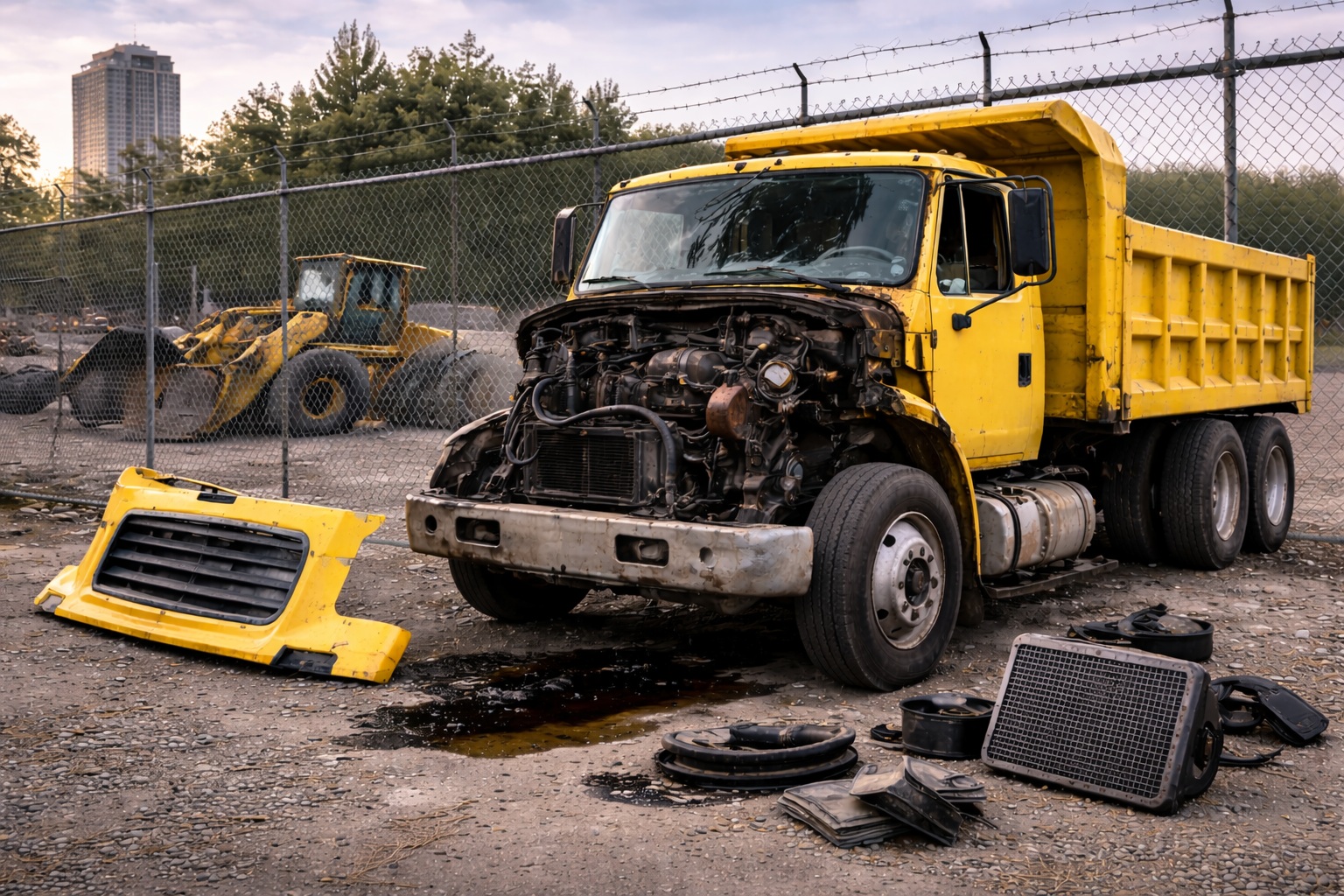
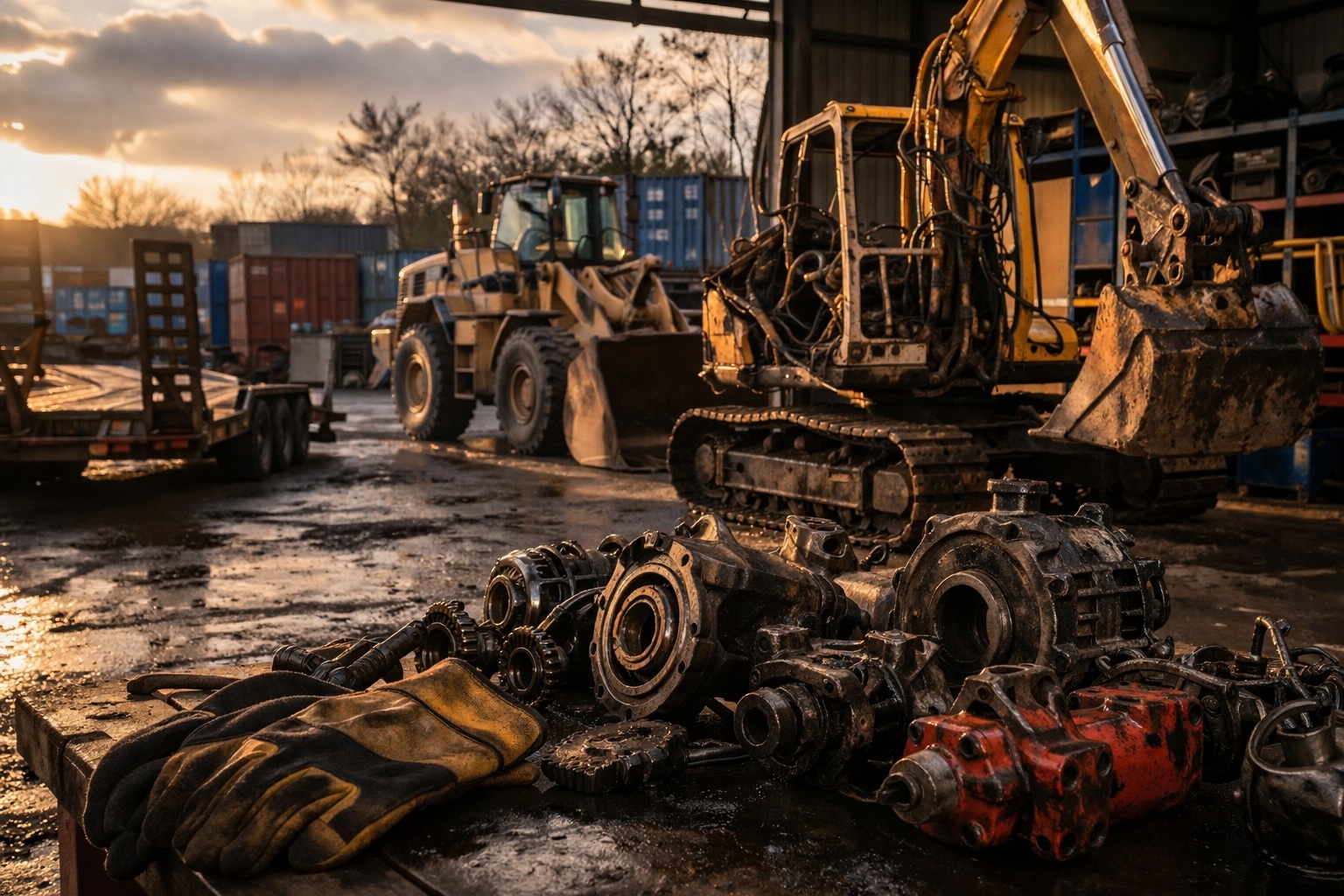
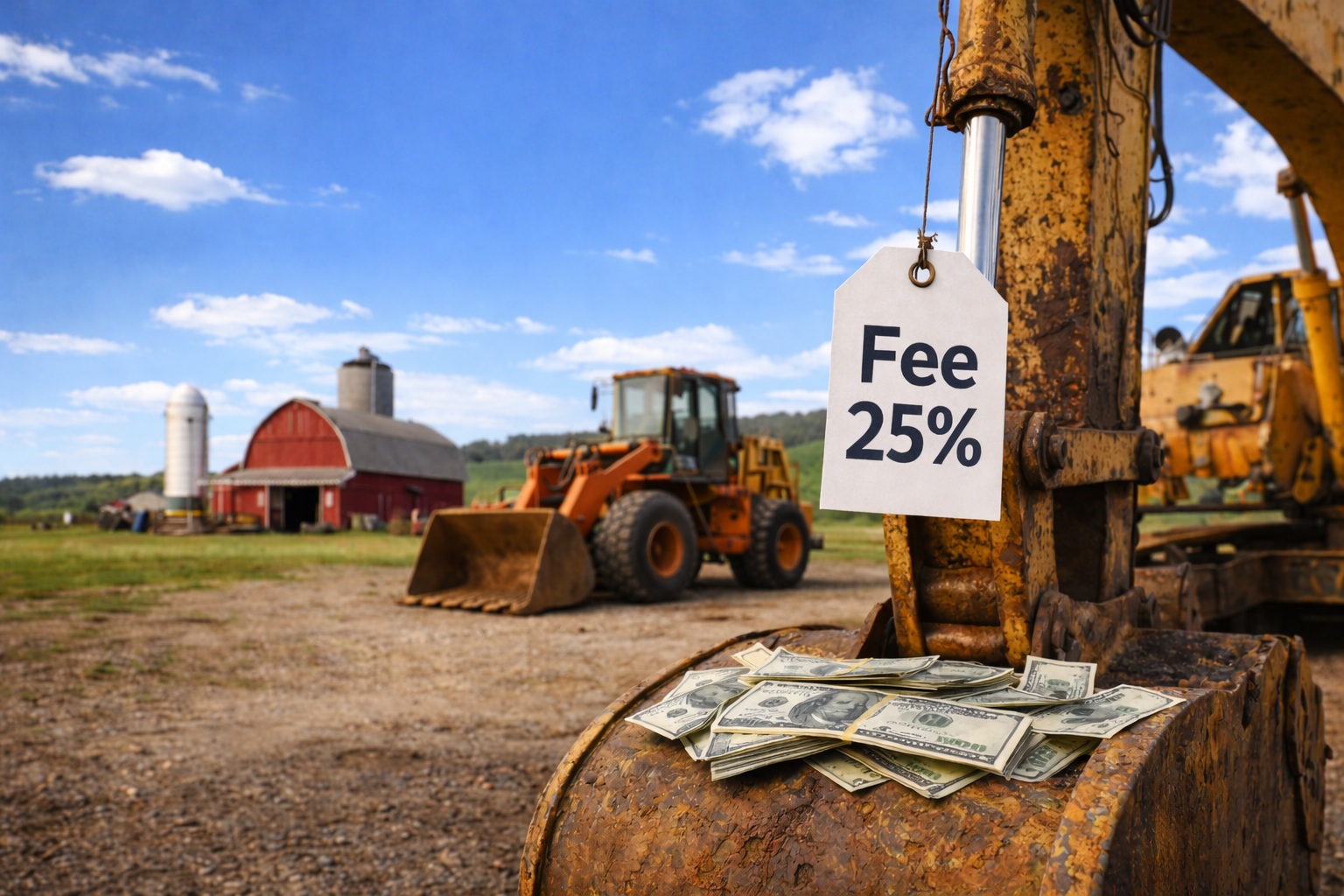
Got a non-operational excavator, broken tractor, or damaged equipment gathering dust? That seemingly worthless piece of machinery taking up space in your yard or warehouse might actually be a valuable asset you haven't considered. Many assume that once industrial or farm machinery is beyond immediate repair, its value plummets to zero. However, this isn't true. This guide will walk you through the surprisingly simple process of converting that damaged equipment into immediate capital, explaining why selling it is a far better option than letting it depreciate further or attempting costly, time-consuming repairs. Don't let your non-running industrial equipment become a forgotten liability.
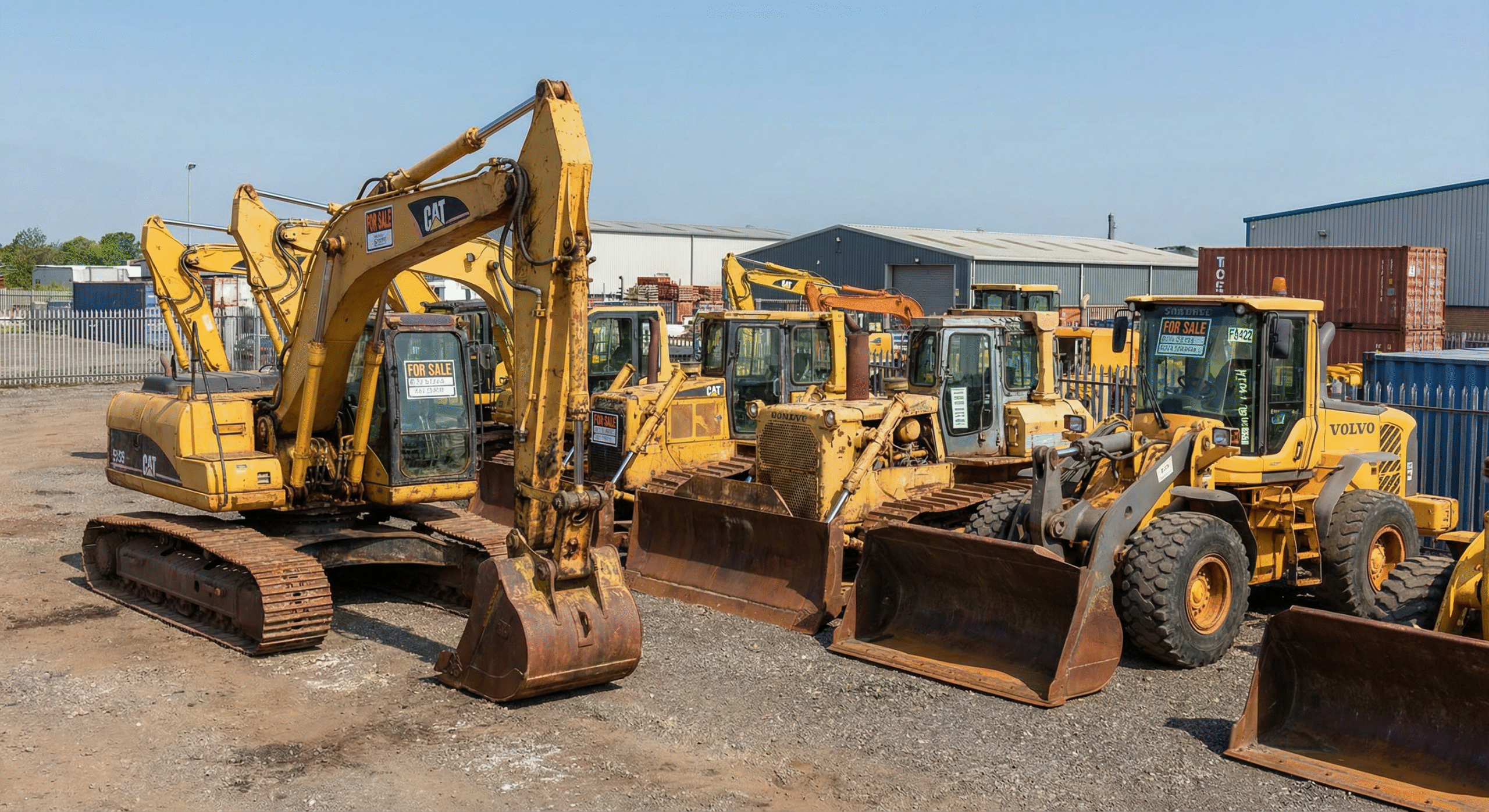
Repair vs. Sell: What's the Smarter Move for Damaged Equipment?
When damaged equipment breaks down, the first instinct is often to repair it. While this can be a viable option for minor issues, complex or recurring problems can quickly lead to a "money pit" scenario. The true cost of repair often extends far beyond the parts and labor.
The Hidden Expenses of Equipment Repair
Consider these often-overlooked factors when deciding whether to repair or sell your broken farm machinery or industrial assets:
- Downtime & Lost Productivity
While your equipment is in the shop, it's not generating revenue. This can lead to significant financial losses, especially for critical machinery.
- Escalating Repair Costs
Initial estimates can often balloon due to unforeseen issues, specialized parts, or extended labor hours. What starts as a simple fix can become a major overhaul.
- Depreciation
Even if successfully repaired, an older or heavily repaired piece of equipment will likely have a lower resale value than a consistently well-maintained one. The longer it sits awaiting repair, the more its value erodes.
- Opportunity Cost
The capital tied up in repairing old damaged equipment could potentially be better invested in newer, more efficient machinery that improves your operations.
- Environmental Impact & Disposal
If repairs fail or become impossible, you're left with the hassle and cost of disposing of the equipment responsibly.
Warning
Be wary of throwing good money after bad. If repair costs approach or exceed a significant percentage of the equipment's operational market value, selling "as-is" is almost always the smarter financial move.
Your Best Bet: Turning Damaged Equipment into Immediate Capital
Instead of endless repairs or letting your damaged equipment rust away, selling it offers a clear path to recouping value and freeing up space. Specialized buyers are actively looking for non-operational equipment or equipment needing repair, seeing value in components, raw materials, or even for their own refurbishment projects.
The Simple Process of Selling Your Non-Operational Assets
Selling your non-running industrial equipment is often much simpler than you might imagine:
- Assess & Document
Take clear photos and videos of the equipment, highlighting its current condition and any known damage. List the make, model, year, and any specific issues. Be honest and transparent — this builds trust and speeds up the process. - Contact Specialized Buyers
Reach out to companies that specifically purchase damaged equipment. These buyers understand the value of components and can often provide quick, competitive offers. They handle the logistics of pick-up and transport, eliminating a major headache for you. - Get Your Valuation
Provide your documentation to the buyer. They'll assess the value based on salvageable parts, metal content, and potential for refurbishment. You'll receive an offer based on this expert evaluation. - Finalize & Get Paid
Once you accept the offer, arrangements for payment and pickup are made. The equipment is removed, and you receive cash — freeing up space and capital.

Pro Tip
Even seemingly minor details — like the condition of tires or specific attachments — can influence the offer you receive for your damaged equipment. Include them in your description!
Turn Your Damaged Equipment into Profit Today!
Don't let that damaged equipment be a costly reminder of a breakdown. Instead of pouring more money into uncertain repairs or letting it rust into oblivion, leverage its inherent value. Selling your non-running industrial equipment to a specialized buyer is the smart, efficient, and profitable way to free up capital, clear valuable space, and avoid further depreciation.
Ready to convert your damaged equipment from an eyesore to immediate income? Get a free, no-obligation cash offer on your damaged equipment today.